
Information
Lithium Leisure Batteries: What You Need to Know
Updated 14 September 2026
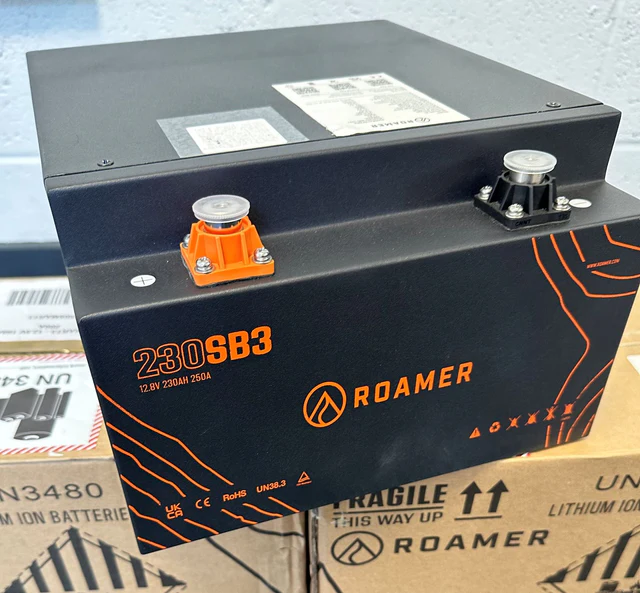
Lithium battery technology has existed for many years, but advances in LiFePO4 design, battery management systems and monitoring have made it a practical choice for motorhomes, campervans and caravans.
What Does a Lithium Leisure Battery Do?
A lithium leisure battery stores power for the equipment in the living area of your vehicle. The right setup can support lighting, refrigeration, heating controls, water pumps, charging sockets and suitable inverter-powered appliances while you are away from an electric hook-up.
Checks Before a Lithium Upgrade
The battery is only one part of the system. Before installation, the following equipment should be checked for compatibility:
- The mains battery charger and its available lithium charging profile
- The alternator or DC-to-DC charger
- The solar charge controller and any existing solar panel system
- Cable sizes, fuses, isolators and secure battery mounting
- Available space, ventilation and access for servicing
Changing the battery without checking these items can reduce charging performance and may leave important parts of the installation incorrectly specified.
Choosing the Right Capacity
The best capacity depends on how long you stay off-grid and what you want to power. A weekend vehicle with modest loads needs a different setup from a motorhome running an inverter, television, kitchen equipment and multiple devices for extended touring. Roof space for solar panels and the amount of driving between stops also affect how quickly the battery can be replenished.
Cold-Weather Charging and Monitoring
Selected lithium batteries include low-temperature charging protection, internal heating and app-based monitoring. These features vary by model, so the installation should be matched to the way the vehicle is used rather than chosen on capacity alone.
Using Lithium with Solar Panels and an Inverter
Lithium batteries can form the centre of a complete off-grid system. Solar panels help replenish energy during daylight, while an inverter can provide 230V power for suitable appliances. The battery, chargers, inverter, cabling and protection must be sized together so the system operates safely and reliably.
Before You Request a Quote
Have your vehicle make, model and year ready, together with details of the current battery location, charger, solar panels, inverter and the appliances you want to use. Jacques York can then specify the complete installation and provide a fixed price before work starts.
See our lithium leisure battery upgrades or request a fixed-price quote.